We use cookies to improve the use of our site. By continuing you agree to the use of cookies. You can find detailed information on Privacy and Cookie Policy.
You can select below which cookie categories you allow.
Necessary & Technical
Cookies required for the operation of the page. (Cannot be changed)
These cookies are required for the proper functioning of the site, security, session management, and basic features. They cannot be disabled.
Analytics
Visitor analytics
These cookies allow us to analyze how our site is used (number of visitors, most visited pages, user behavior). This data is used to measure website performance and continuously improve the user experience.
Advertising (Ads)
Advertising and ad measurement
These cookies allow us to show you personalized ads based on your interests and measure the effectiveness of our advertising campaigns (impressions, click-through rate).
Personalization
Content personalization
These cookies are used to ensure consistency and continuity of your experience on the platform by preserving your user interface settings, language preferences, and other configurations.
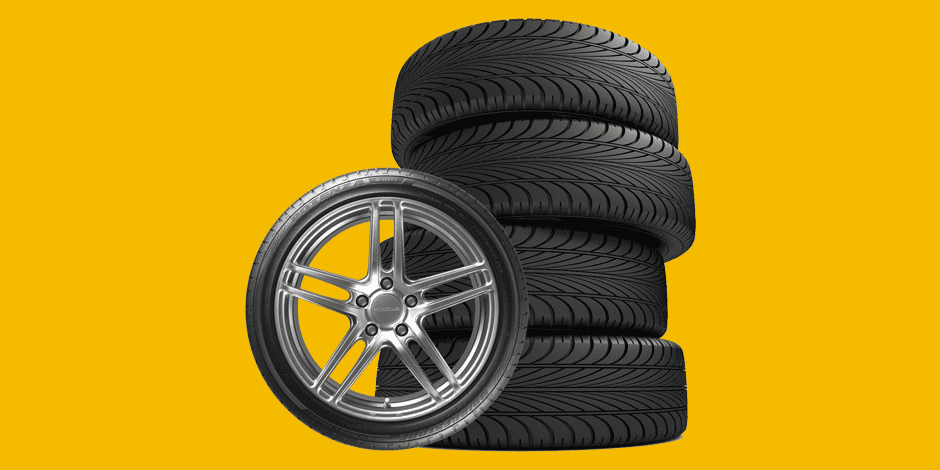
Tyre sizes are a set of dimensions that define the characteristics of the tyre and must be complied with during tyre selection. On each tyre, there is information about the size of the elements in the tyre structure. Since the meaning of tyre sizes is determined by the order of numbers and the letters used on the tyre, it is necessary to master all the details about "what do tyre sizes mean?".
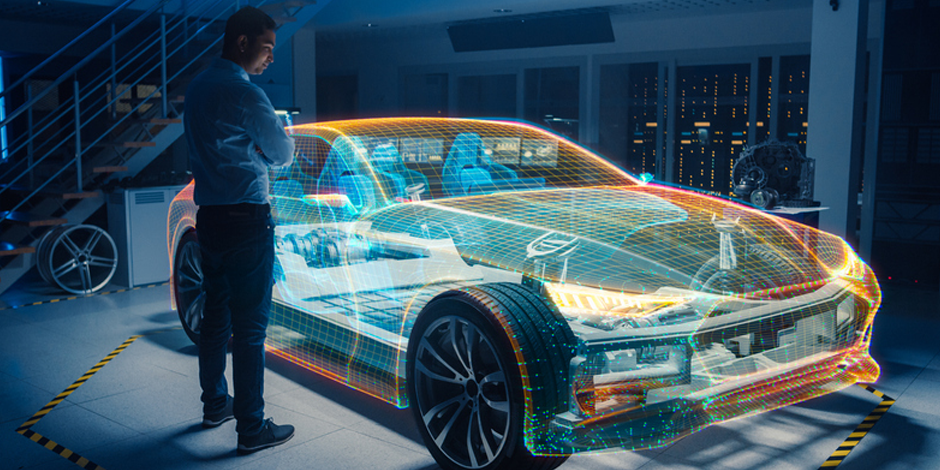
A hybrid car comes with a dual battery pack consisting of a conventional 12-volt battery pack and a high-voltage battery pack. Usually, deceleration in a conventional car converts kinetic energy into heat. However, a hybrid four-wheeler uses regenerative braking to convert the kinetic energy lost when decelerating into electrical power to replenish the battery pack.
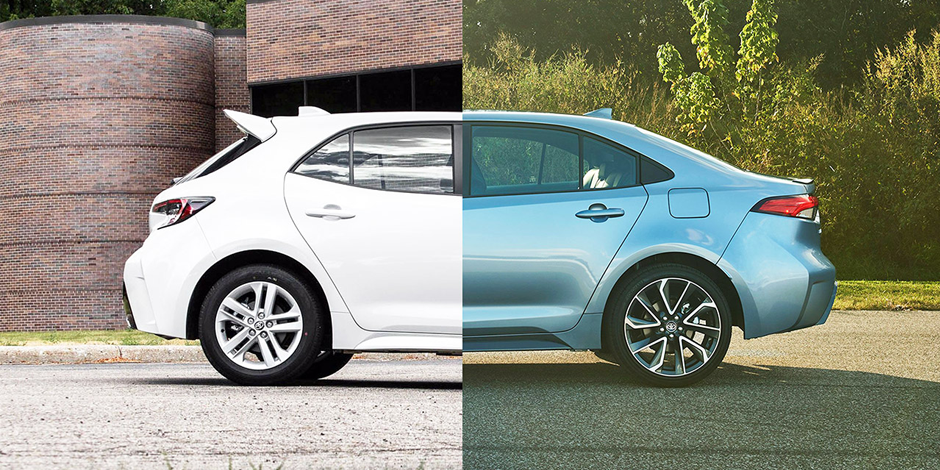
Hatchback cars, on the other hand, have a body type whose rear door opens together with the rear window of the vehicle. This means both easier parking compared to sedan vehicles and more practical placement of the cargo to be loaded into the vehicle. Having a shorter body compared to sedan vehicles, hatchback cars also make it easier to manoeuvre in city traffic. On the other hand, with the opening of the boot in cold weather, the warm air in the interior cabin of the vehicle can fly away in an instant. In sedan vehicles, insulation is higher than in hatchbacks.